

Pollinator Edible Fragrant Very Rare

Changsha Mandarin

Citrus reticulata 'Changsha'

$42.00 Sold out
USDA Zones 7–9 Full Sun and Part Shade Matures 10–12 Feet

Citrus reticulata 'Changsha' is widely considered the hardiest sweet-fruited mandarin there is, ripening loose-skinned, low-acid fruit you can peel and eat out of hand.

Pickup currently unavailable at Aiken Nursery

Healthy-arrival guarantee Free shipping over $150
Roots wrapped in moist soil and padded for safe transit
Grown and shipped from our nursery in Aiken, SC
Shipping later in the season? Schedule your delivery date in your cart.

A very old Chinese cultivar, almost certainly named for the capital of Hunan province where the fruit has been grown for centuries, and quite possibly carrying C. ichangensis somewhere in the parentage. That suspected ancestry would account for the cold tolerance that has made Changsha the parent stock for nearly every modern hardy citrus breeding program of consequence: Wayne Hanna's seedless work at UGA Tifton, the Arctic Frost satsuma cross out of Texas, and others still in trial.

Widely considered the hardiest sweet-fruited mandarin in cultivation. Mature, acclimated trees shrug off 10 degrees Fahrenheit without permanent injury, and reports from the Dallas area document survival into the single digits. Here in Aiken the tree has come through every winter so far, bearing reliably and early, often within a year or two of planting.

Habit and bloom

The tree is upright and twiggy, eventually 10 to 15 feet, with narrow willow-like leaves and intensely fragrant spring flowers that the honeybees find before you do. Spines are present on the trunk and main scaffolds, but the fruiting wood is essentially thornless.

The fruit

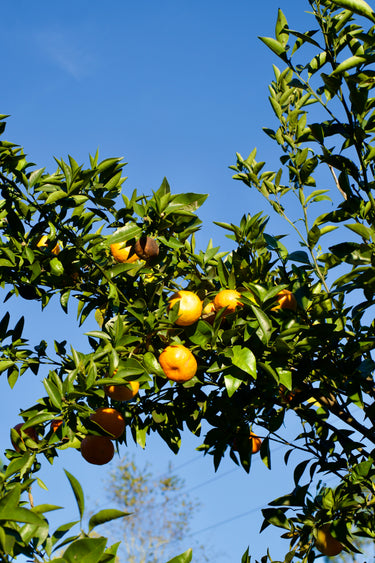
Ripens late fall into early winter. Deep orange, around four inches across, flat-bottomed with shallow pumpkin-like grooves. The rind sits loose on the flesh and slightly bumpy, peeling away in one piece.

The flesh is sweet and low-acid, with none of the kerosene or bitter notes that betray most cold-hardy citrus as compromise plants. This is genuinely a fruit you eat out of hand.

The fruit is also genuinely seedy. Count on that.

One word of caution

The harvest window is short. Pick promptly as the fruit colors up. Left to hang, Changsha goes puffy and watery and loses what makes the fruit worth growing.

Will this plant thrive in your zone?

Plant Profile
At a glance
Hardiness
USDA Zones 7–9
Sun
Full Sun, Part Shade
Soil
Well-drained
Mature size
Height 10–12 Feet · Spread 6–8 Feet
Growth rate
Moderate
Seasonality
Evergreen
Design Notes

The hardiest sweet-fruited mandarin there is, and a genuine dooryard fruit tree for the upper South. Grow Changsha as a specimen in full sun, ideally against a south- or southeast-facing wall in the coldest zones, where radiated heat buffers winter lows, or in a large container to shelter farther north. Upright and twiggy, thornless on the fruiting wood, the tree suits an edible landscape, a courtyard, or a sunny border, and perfumes the whole area in spring. Site where the fragrant bloom and heavy winter crop can both be enjoyed, and keep a plant near the kitchen for mandarins off the branch.

Flower, Fruit & Foliage

White, intensely fragrant, mid to late spring

Flowers

Small, waxy, five-petaled, and pure white, opening in clusters along the previous season's wood in mid to late spring. The fragrance is the classic citrus perfume, orange-blossom sweetness with a green, almost honeyed undertone, and it carries on warm afternoons well beyond the canopy. Honeybees and native pollinators work the blooms steadily through the flowering window. A single mature tree in full bloom will perfume an entire courtyard. Self-fertile, so a single specimen sets fruit reliably.

Fruit

Late fall through early winter, depending on the season. Fruits hang singly or in small clusters at the tips of the twiggy outer growth, ripening from green through yellow-orange to a deep, saturated orange. Each fruit is roughly four inches across, slightly broader than tall, with a flat bottom and shallow vertical grooves that give a faintly pumpkin-like profile. The rind is loose, leathery, and slightly bumpy, peeling away cleanly in a single piece, the way a proper mandarin should.

The flesh is a clear orange, juicy, sweet, and notably low in acid, with none of the kerosene or bitter undertones that compromise most cold-hardy citrus. The flavor is straightforward mandarin: honeyed, faintly floral, refreshing rather than complex. Seeds are large, numerous (count on twenty or more per fruit), and easy to remove.

A mature tree carries a substantial crop, thirty to forty pounds in a good year.

Foliage

Evergreen and quietly handsome year-round. Leaves are narrow and lance-shaped, three to four inches long, willow-like in their proportions, with the small winged petioles characteristic of mandarins. The surface is glossy dark green above, paler beneath, and crushed leaves release a clean, sharp, unmistakable mandarin scent. New spring growth flushes a soft bronze-green before hardening off.

The overall effect is upright and twiggy rather than dense.

Care

Read our full care guide

Siting

Full sun gives the best fruit set and sweetness, though Changsha tolerates a few hours of afternoon shade without complaint. In the colder end of the range (Zone 7b, marginal 8a), site against a south- or southeast-facing wall or in a courtyard pocket where radiated heat buffers winter lows. Avoid frost pockets and low-lying ground where cold air settles.

Soil and drainage

Sharp drainage is non-negotiable. Citrus roots will not tolerate wet feet, and a Changsha sitting in heavy clay will sulk for a season and then decline. Slightly acidic loam is ideal. On clay-heavy sites, plant on a low mound or amend generously with coarse grit and compost. In containers, use a coarse, fast-draining citrus mix, never general-purpose potting soil.

Watering

Deep and infrequent rather than light and often. New plantings need consistent moisture through the first growing season; established trees are reasonably drought-tolerant once the roots run. Container-grown trees dry out faster than you think, so check the top two inches of mix and water when it feels dry, then water until it runs from the drainage holes.

Feeding

Citrus are heavy feeders. A balanced citrus-specific fertilizer applied three times a year covers it: late winter before flowering, late spring as fruit sets, and early fall to support ripening. Yellowing between leaf veins typically points to magnesium or iron deficiency, both common in our region's soils and easily corrected with a foliar feed.

Cold protection

Mature, established trees are the cold-hardy ones. Young plants in their first two or three years are noticeably more tender and benefit from protection during hard freezes: a frost cloth tented over the canopy, a string of incandescent (not LED) lights wound through the branches, and a heavy mulch ring around the root zone will pull a young Changsha through nights in the low teens. Once established, the tree largely takes care of itself.

Pruning

Minimal. Changsha forms a naturally upright, twiggy crown that rarely needs shaping. Remove dead or crossing wood in late winter, and thin congested interior growth if airflow becomes an issue. Avoid hard pruning, since citrus fruit on twiggy outer growth and aggressive cuts cost a season's crop.

Harvest

Pay attention here. Pick fruit promptly as it colors up in late fall and early winter. Changsha left hanging on the tree past its peak goes puffy, watery, and insipid. Cut stems with pruners rather than pulling, since the rind tears easily and torn fruit does not keep. Properly harvested fruit holds for several weeks in cool storage.

Pests

Outdoors, Changsha is largely untroubled. Watch for scale insects on stressed plants and aphids on tender new growth in spring; both respond to insecticidal soap or a strong hose blast. Indoor and greenhouse plants are more vulnerable to spider mites in dry winter air, so raise humidity if you see fine webbing.

Here’s a closer look at how we produce our plants

From rooting to shipping, our top priority is ensuring you receive healthy, thriving plants for your garden’s success.

Woodlanders Growing Process

Because most of our plants are grown from rooted cuttings — alongside seed, air layering, and grafting chosen for each variety — you receive a stronger, true-to-type plant that establishes quickly in your garden.

Sustainable Growing Practices

Raised on organic soil blends and eco-friendly pest management — never harsh chemicals — your plant arrives healthy for your garden, your family, and the pollinators they feed.

Supporting Local Biodiversity

Every purchase gives back. We donate to the Aiken Arboretum and support local wildlife conservation, so growing your garden helps protect the wider ecosystem too.

At Woodlanders, we are committed to quality.
Grown in Aiken, South Carolina
At Woodlanders, we are committed to quality.

All our plant material is carefully propagated, grown, and nurtured at our humble nursery in Aiken, South Carolina.

Learn more about Woodlanders
Healthy plants, ready to thrive
Success, made simple
Healthy plants, ready to thrive

Your plant arrives carefully packed and ready to settle in. Unpack them promptly, give them a day or two to acclimate, then plant following the notes we include — that’s all it takes. Clear care guidance comes with every order, so success is the easy part.

Read the care guide
Frequently Asked Questions
What to expect upon delivery

All our plants are sold in 1-gallon sizes, though the height of each plant can vary depending on its growth rate and seasonality, typically ranging from 1/2 to 2.5 feet.

Each plant is carefully packaged with its roots enclosed in a secure plastic bag containing moist soil, forming a compact root ball. To ensure safe transport, the box is padded with recycled newspaper, providing both stability and eco-friendly protection from weather during shipping.

What is your return policy?

Review our full return policy information on our SHIPPING AND RETURNS POLICY page.

What payment methods can I use?

We offer 35 different payment methods including major providers like Mastercard, Visa, PayPal, American Express and Diners as well as many different local payment methods including Klarna, iDEAL, AliPay, Sofort, giropay, and many more.

Can I make changes to my order after it’s been placed?

At Woodlanders, we strive to fulfill orders as quickly as possible. Therefore, we can only accommodate changes to your order within the first 24 hours after it has been placed. These changes include adding or removing products and modifying the delivery address. If you need to make any changes or if there has been a mistake with your order information, please reach out to us promptly via our CONTACT page with your order number for the quickest resolution.

Your satisfaction is our priority, and we appreciate your understanding and cooperation.