


Ground Covers
16 plants in this collection
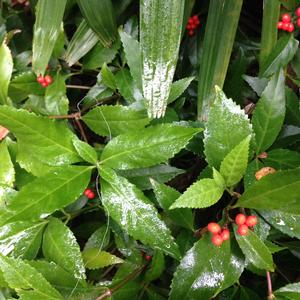


About the Ground Covers Collection
Ground covers are the low, spreading plants that clothe the surface of the soil, running, creeping, or clumping into a continuous green (or flowering) carpet. Where mulch is a stopgap that must be renewed, a ground cover is a permanent, living surface that improves year on year. Grown for foliage, flower, or both, they turn the empty ground between larger plants into part of the garden rather than a gap in it.
In the landscape they solve the hardest problems. They cover dry shade under trees, hold soil on a slope too steep to mow, fill the seams between paving, and carry a planting right down to ground level so nothing looks unfinished. A well-chosen ground cover means less weeding, less watering, and less bare earth, and a unifying sheet of texture that ties a mixed planting together.
We grow ground covers because they do so much quiet, practical work while cutting the labor a garden demands. A living carpet shades the soil and its life, keeps moisture in and weeds out, and, in bloom, feeds pollinators close to the ground. Many are tough natives that ask almost nothing once established and spread to fill their space on their own.
Match the spreader to the site, since vigor that is a virtue on a bank can be a nuisance in a small bed, and give new plantings a season to knit together. For low woody cover see our Groundcover Shrubs, build shade layers with our Ferns, and lean on Southeastern Natives for regionally adapted carpets.


